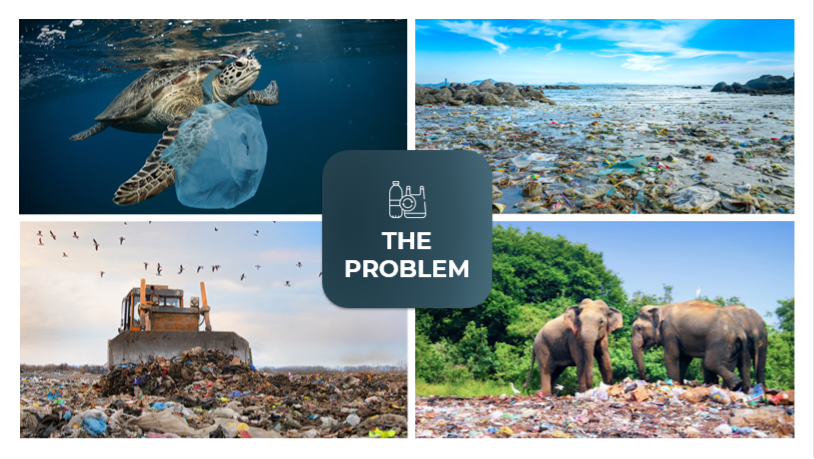

Are you like most people who think plastic pollution is something floating in the ocean or piling up in landfills somewhere far away?
Truthfully, the real story closer than that?
Much closer.
Scientists have now found tiny particles of plastic (microplastics) in human blood, the lung, and even in unborn babies.
Let that sink in for a moment.
This isn’t just an environmental problem anymore.
This is personal.
What Are Microplastics (And Why Should You Care)?
Microplastics are extremely small pieces of plastic that are so small you can’t see most of them.
They come from things you use every single day:
- Water bottles
- Food packaging
- Synthetic clothing
- Household products
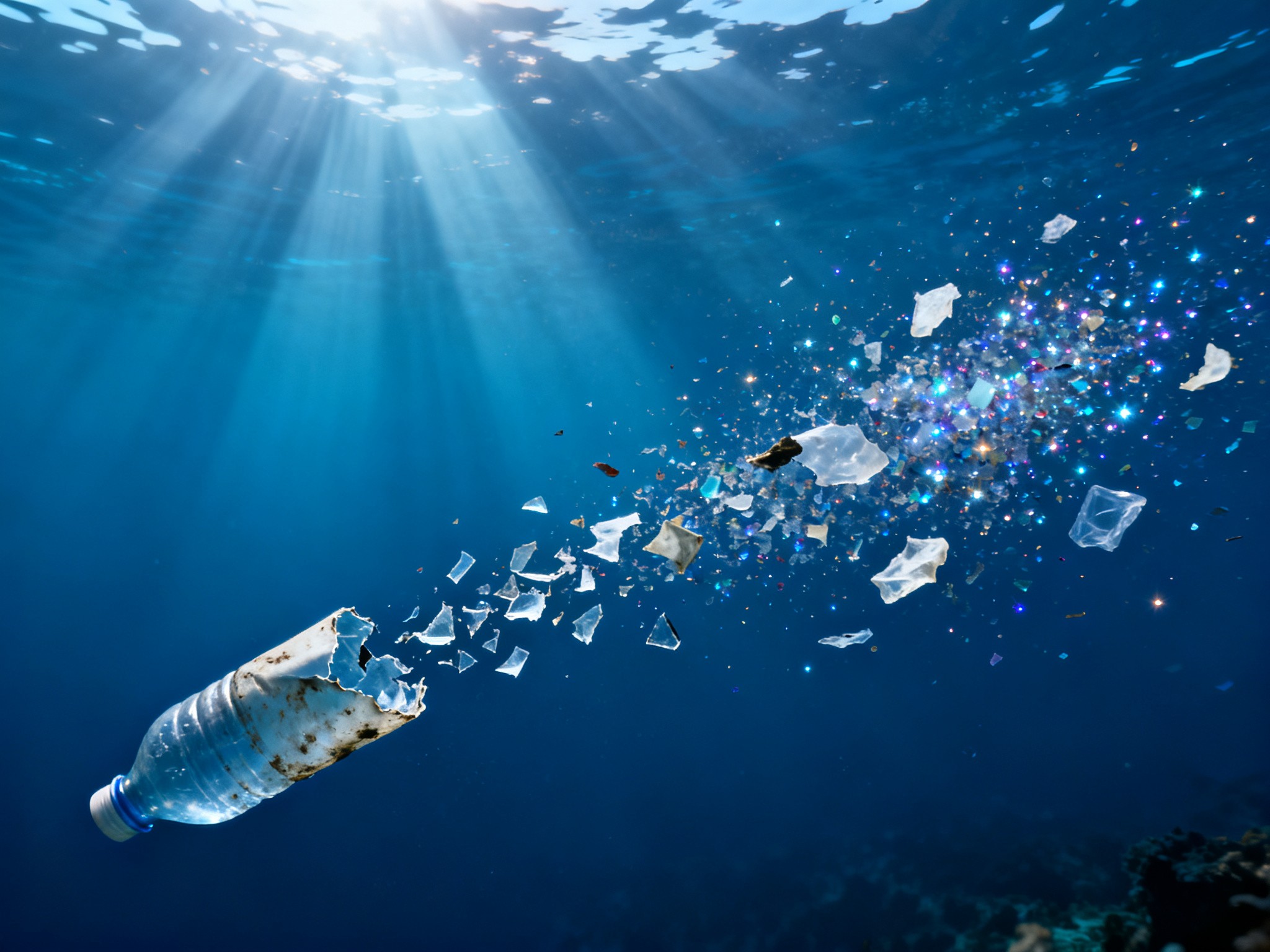
Over time, even large plastics break down into these tiny particles.
But what happens after they break down?
They don’t disappear.
They just get smaller and smaller and easier to absorb into your body.
Which raises the question, how do that get into our bodies?
How Are Microplastics Getting Into You?
This is where it gets real.
You’re not just exposed to microplastics occasionally, it's a daily thing.
1. Through What You Drink
Both bottled water and even tap water have been found to contain microplastics.
2. Through What You Eat
They’ve been detected in:
- Seafood
- Salt
- Packaged foods
3. Through the Air You Breathe
Yes. Even the air can carry microplastics.
Tiny fibers from furniture, clothing, and other materials float around and are inhaled without you even noticing.
Why This is Raising Concern?
We know that currently —research is still ongoing.
But early findings suggest microplastics may:
- Trigger inflammation in the body
- Carry toxic chemicals
- Interfere with hormones
And what's the most unsettling part?
We don’t yet fully understand the long-term effects.
That uncertainty alone is enough to make people pause.
Does it make you pause and think?
The Bigger Truth About Plastic Waste
Here’s what most people never think about:
Plastic doesn’t go away.
It doesn’t decompose like organic material.
Instead, it breaks down into smaller and smaller pieces. And eventually, it becomes part of the environment.
And then?
It finds its way back to us. How?
In the water you drink.
In the food you eat.
And the air you breathe.
What we throw away.... never really goes away.
What Can You Actually Do About It?
It's not about fear. It’s about awareness and small, smart changes.
Are you positioned to help? Maybe?
Here are a few simple ways to reduce your exposure:
- Use glass or stainless steel instead of plastic containers
- Avoid heating food in plastic
- Choose reusable items over single-use plastics
- Wear more natural fibers when possible (like cotton)
- Be mindful of excessive packaging
You don’t have to be perfect.
Even small steps make a difference. For both you and the environment.
Why This Matters More Than Ever
We’re at a point where plastic pollution isn’t just something we see.
It’s something we carry.
And that changes everything.
Because when a problem becomes personal, people start paying attention.
They start asking questions.
They start looking for solutions.
And the solutions is here. It will take 30, 40, or 50 years.
But the solution is here.
A New Kind of Opportunity
Here’s something most people don’t realize:
Global problems create global opportunities.
As awareness around plastic waste and microplastics grows, so does the demand for:
- Better solutions
- Smarter alternatives
- People willing to be part of the change
Others are going a step further—getting involved in solutions that not only help the planet, but also create new ways to earn and grow.
Because the truth is,
The biggest shift has started, and that is awareness. Awareness turns into an opportunity for those want to take action.
Ready to Be Part of the Solution?
Right now, most people are just waking up to this problem.
But a small (and growing) group of people are doing something different.
They’re not just reducing plastic in their own lives.
They’re getting involved in solutions that help clean up plastic waste while creating income from a global problem that isn’t going away anytime soon.
If that idea even slightly interests you, this is your next step:
👉 Click here to learn how you can be part of a global plastic cleanup movement—and turn awareness into opportunity.
You don’t need experience.
You don’t need to be an expert.
You just need to be willing to take a closer look.
You can just join the Gloal Team tribe. And details will come you way.
Just Want to Learn More Like This?
If this opened your eyes even a little, you’re going to want what I share next.
I break down simple ways to:
- Understand what’s really happening with plastic pollution
- Protect yourself and your family
- Discover opportunities connected to solving global problems
📩 Enter your email below and I’ll send you more insights, updates, and opportunities you won’t want to miss.
https://form.jotform.com/260485326701051
or
👉 Get Instant Access https://ihub.mobi/res/64619/357095/
No spam. Just real information—and real opportunities.
FAQ
Are microplastics dangerous?
Can you remove microplastics from your body?
Enjoyed this post? Share it
Get Eric’s next post in your inbox
No spam, just new posts when they go live. Unsubscribe anytime in one click.